The Old School Approach to Chess
In a world of shortcuts and quick fixes, Old School Chess returns to the time-tested method of learning chess through understanding, conversation, and classical principles.
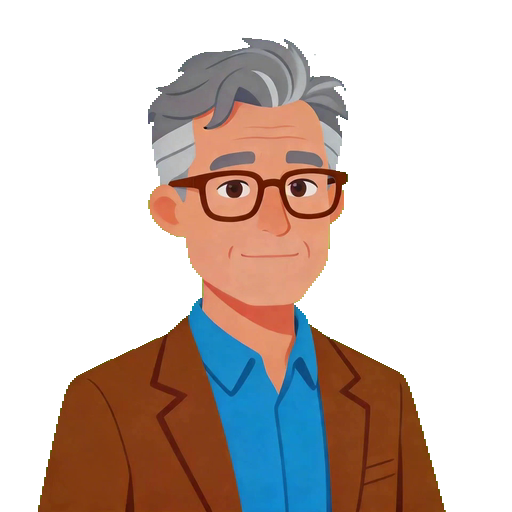 By Professor Archer, Chess coach, Old School Chess
Published 2026-02-01 | Last verified 2026-02-12
Professor Archer says: There is a reason they call it "Old School Chess," and it is not nostalgia. It is because the old way of teaching chess, through patient conversation, deep explanation, and classical principles, produces better players and better thinkers than any modern shortcut ever could. I have watched trends come and go in chess education, but the fundamentals never change. Understanding always wins.
What Makes It "Old School"
The name "Old School Chess" is a statement of values. It says something about how we believe chess should be taught and learned. In an era where chess education has become increasingly automated, gamified, and optimized for engagement metrics, we have returned to something older and, we believe, better: the classical tradition of learning chess through understanding.
The classical tradition goes back to the great chess teachers of the late nineteenth and early twentieth centuries. Players like Siegbert Tarrasch, who believed that chess should be taught through clear principles and logical reasoning. Aron Nimzowitsch, who revolutionized chess thinking by explaining the strategic ideas behind the moves. Jose Raul Capablanca, who emphasized simplicity and elegance over brute-force calculation.
These teachers did not have apps or databases. They had chess boards, notebooks, and conversations. They sat across from their students, played through positions together, and talked about the ideas. They asked questions and expected their students to think, not just memorize. And they produced generations of strong, thoughtful chess players.
Old School Chess channels this tradition through modern technology. The medium is digital, but the method is classical. Professor Archer teaches the way Tarrasch and Capablanca would have taught: through conversation, explanation, and the relentless pursuit of understanding. The tools have changed, but the philosophy is timeless.
Principles That Have Stood the Test of Time
The classical principles of chess have survived because they work. They have been tested across millions of games, refined by generations of masters, and validated by modern computer analysis. When Professor Archer teaches you to control the center, develop your pieces, and safeguard your king, he is passing on wisdom that has been tested and refined over more than a century of serious chess.
These principles are not arbitrary rules. They are logical conclusions drawn from the nature of the game itself. Pieces in the center control more squares because of geometry. Developed pieces are stronger than undeveloped ones because they participate in the fight. A safe king is essential because losing your king means losing the game. The principles follow from the rules with elegant inevitability.
What makes the classical approach powerful is that these principles give you a framework for thinking about any position. You do not need to have studied a specific opening to play the first ten moves well. You just need to understand the principles and apply them. This makes your chess knowledge robust and transferable, rather than fragile and position-specific.
Modern chess has added complexity to the classical foundation. Computers have shown that some classical principles have exceptions and that chess is richer and more nuanced than even the old masters realized. But the foundation remains solid. Learning classical principles first gives you a sturdy platform from which to explore the fascinating exceptions and modern ideas that build upon them.
The Art of Chess Conversation
At the heart of the old school method is conversation. Not multiple-choice quizzes. Not timed challenges. Not gamified progress bars. Conversation. A real exchange of ideas between a teacher and a student, where both parties are actively thinking, questioning, and exploring.
When Professor Archer discusses a chess position with you, it is a genuine dialogue. He might present a position and ask what you notice. You share your observations, and he builds on them, pointing out things you missed and connecting your observations to broader principles. He might ask what you would play and why. Your answer, whether correct or not, becomes the starting point for a deeper exploration.
This conversational approach is powerful because it engages your brain in a fundamentally different way than passive consumption. When you are part of a conversation, you are actively processing, evaluating, and synthesizing information. You are not a spectator. You are a participant. And that active participation is what transforms information into understanding.
The great chess teachers of the past understood this instinctively. They did not lecture from podiums. They sat across the board from their students and talked about chess, move by move, idea by idea, as equals engaged in a shared exploration. Professor Archer brings this same spirit to every interaction, and it is why students consistently report that learning with Old School Chess feels different from anything else they have tried.
Classical Meets Modern
The old school approach does not mean rejecting modern tools. It means using them wisely. Old School Chess harnesses modern technology to deliver a classical teaching experience with a level of personalization and accessibility that the old masters could only dream of.
In the past, learning chess the classical way required access to a skilled human teacher, which was expensive, geographically limited, and often impractical. You had to live in a city with a chess club, find a teacher willing to work with beginners, and schedule regular sessions that fit both your lives. For most people, this was simply not possible.
Old School Chess removes all of those barriers. Professor Archer is available whenever you are, wherever you are. The quality of instruction is consistent and deeply personalized. The classical method of patient, conversational teaching is preserved, but it is delivered through a medium that makes it accessible to anyone with a curiosity about chess.
This combination of classical philosophy and modern delivery is what makes Old School Chess unique. You get the depth, warmth, and intellectual rigor of traditional chess education without the practical constraints that made it inaccessible to most people. The Professor teaches the old way because the old way works. The platform delivers it the new way because the new way makes it available to everyone.
Why This Approach Produces Better Players
Players who learn through the classical, conversational method tend to develop a different relationship with chess than those who learn through apps and algorithms. They think more deeply about their moves. They form plans based on principles rather than patterns they half-remember. They understand what they are doing and why, which gives them confidence and flexibility that rote learners lack.
The classical approach produces what we might call chess literacy. Just as a literate person can read any book, not just the ones they have studied, a chess-literate player can navigate any position, not just the ones they have memorized. This literacy comes from understanding the language of chess: the principles, the patterns, the strategic ideas that inform every decision at the board.
Students of the classical method also tend to enjoy chess more. When you understand the game at a deep level, every position becomes interesting. You can appreciate the beauty of a well-played endgame, the elegance of a strategic maneuver, the cleverness of a tactical combination. Chess becomes a source of aesthetic pleasure as well as intellectual challenge.
Perhaps most importantly, the classical approach produces players who continue to improve over time. Because their knowledge is built on understanding rather than memorization, it compounds. Each new concept they learn connects to what they already know, creating an ever-richer web of chess knowledge. There is no ceiling, no plateau, just an endless horizon of deeper understanding. That is the promise of the old school approach, and Professor Archer delivers on it every day.
Questions About the Classical Approach
Is the classical approach outdated?
Not at all. The classical principles of chess are as valid today as they were a hundred years ago. Modern computer analysis has actually confirmed most classical ideas while adding nuance. The method of teaching through conversation and understanding is timeless and supported by everything we know about how adults learn effectively.
Will I be at a disadvantage against players who use modern training methods?
Quite the opposite. Players who understand classical principles have a sturdy foundation that supports all future learning, including modern ideas. A player who memorizes modern opening theory without understanding the underlying principles is far more brittle than one who truly understands the game.
Does the classical approach include studying modern games and ideas?
Absolutely. Professor Archer draws on the full history of chess, from the romantic era to modern super-tournaments. The classical approach is about how you learn, not what you learn. The method is timeless, but the content is comprehensive and up to date.
How does conversation-based learning work in a digital format?
Professor Archer engages you in genuine dialogue about chess positions, games, and ideas. You share your thoughts, and the Professor responds with questions, explanations, and guidance. It feels remarkably like sitting across from a real teacher, with the added benefit of being available whenever you want to learn.
Professor Archer says: The classical approach to chess is not about rejecting modern tools. It is about using them wisely, in service of deep understanding. The great teachers of the past, Tarrasch, Nimzowitsch, Capablanca, they all taught through conversation and explanation. I carry on that tradition, and every student who experiences it discovers why it has endured for over a century. Some things simply work, and no amount of technology can improve upon genuine human understanding.
Quick Quiz
What is the core idea behind the classical approach to chess education?
- Memorizing as many opening variations as possible - The classical approach explicitly prioritizes understanding over memorization. Principles and ideas come first; specific variations are learned in context and built upon that foundation.
- Using only historical games and avoiding modern analysis - The classical approach is not about limiting what you study. It is about how you learn. Professor Archer uses both historical and modern material, always teaching through conversation and understanding.
- Teaching through conversation, principles, and deep understanding rather than shortcuts (Correct) - Correct. The classical approach is about building genuine understanding through patient dialogue, clear principles, and logical reasoning. This method has produced strong chess players for over a century.
- Playing only classical time control games - While classical time controls are valuable for learning, the classical approach refers to the teaching methodology, not the game format. It is about how chess knowledge is transmitted and understood.
Try Before You Sign Up
Two free tools that show you how Professor Archer thinks about your game.
- Chess Rating Test - Twenty-five positions that estimate your rating in about fifteen minutes.
- Chess Personality Quiz - Discover which of eight playing styles fits you.