Learning Chess After 40, A Professor Who Gets It
Your age is not a barrier. It is an asset. Discover why learning chess in the second half of life is a deeply rewarding experience.
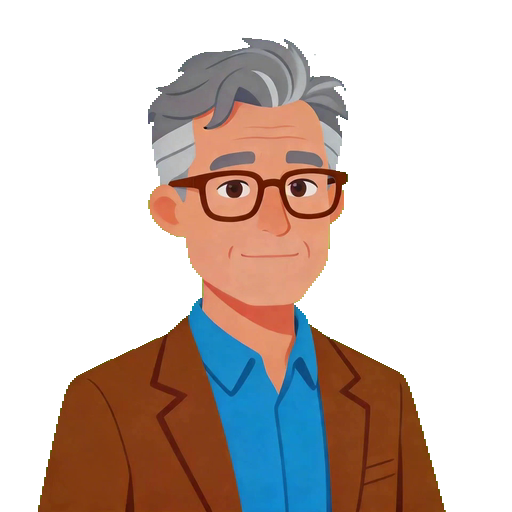 By Professor Archer, Chess coach, Old School Chess
Published 2026-02-01 | Last verified 2026-02-12
Professor Archer says: I have been teaching for a very long time, and some of my most remarkable students started learning chess in their forties, fifties, and even sixties. They bring something to the board that younger players simply cannot match: wisdom. The ability to see beyond the immediate move, to think about the big picture, to exercise patience when the position demands it. If you are over forty and thinking about chess, I want you to hear me clearly: your best chess years might be ahead of you.
The Myth of the Chess Age Ceiling
There is a persistent myth in the chess world that if you did not start young, you cannot become a strong player. This myth is rooted in the undeniable fact that most top-level competitive players began as children. But this fact is misleading because it conflates the very top of competitive chess with chess in general.
The truth is that the vast majority of chess players, at every level, play for enjoyment, intellectual stimulation, and personal growth. And for these goals, starting age is essentially irrelevant. An adult who begins learning at forty-five can absolutely become a strong club player, a formidable online competitor, and a person who genuinely understands and appreciates the game.
Research on adult learning consistently shows that while certain types of raw processing speed may decline slightly with age, other cognitive abilities, such as pattern recognition based on experience, strategic thinking, and emotional regulation, actually improve. These are precisely the skills that matter most in chess.
Professor Archer has worked with hundreds of students over forty, and the pattern is consistent: adults who commit to learning with patience and consistency make steady, meaningful progress. They may not learn as quickly as a talented eight-year-old in the first few months, but their understanding is often deeper, their enjoyment is greater, and their long-term retention is excellent. The myth of the age ceiling crumbles in the face of actual experience.
Chess as Mental Fitness
One of the most compelling reasons to take up chess later in life is the cognitive benefits it provides. Chess is, in many ways, a workout for your brain. It requires concentration, memory, visualization, pattern recognition, and the ability to evaluate multiple possibilities simultaneously. Engaging in this kind of mental exercise regularly has been associated with maintaining cognitive sharpness as you age.
Think of chess as a gym for your mind. Just as physical exercise keeps your body healthy and functional, chess keeps your brain active and engaged. And unlike physical exercise, chess does not require you to be in any particular physical condition. You can play from the comfort of your favorite chair, at your kitchen table, or on your morning commute.
But the mental benefits of chess go beyond cognitive maintenance. Learning something new in the second half of life is profoundly stimulating in a way that routine activities are not. It creates new neural pathways, challenges established thinking patterns, and provides the kind of novelty that keeps your mind fresh and adaptable.
Many of Professor Archer's students over forty report that chess has made them sharper in other areas of their lives as well. They notice improved concentration at work. They find that they are more patient in complex situations. They approach problems with greater creativity. Chess, it turns out, has a way of training your brain that extends far beyond the sixty-four squares of the board.
Patience and Wisdom at the Board
If you have lived four or more decades, you have developed something that no young chess prodigy possesses: genuine life wisdom. You have learned that hasty decisions often lead to regret. You understand that complex situations rarely have simple solutions. You know that sometimes the best course of action is to wait, observe, and let the situation develop before committing.
These qualities are enormously valuable in chess. One of the most common mistakes that younger or less experienced players make is acting impulsively. They see a tempting move and play it without considering the consequences. They launch premature attacks because patience feels boring. They ignore their opponent's plans because they are too focused on their own.
Adult learners over forty tend to avoid these pitfalls naturally. Their life experience has taught them the value of careful thinking. When Professor Archer explains that chess rewards patience and planning, it resonates immediately because they have already learned this lesson in other contexts.
This natural advantage in temperament often manifests surprisingly quickly in the quality of their games. While a younger player might calculate more variations per minute, the older learner plays more sensible, strategically sound chess from the beginning. They blunder less because they think before they move. They lose fewer games to impulsive mistakes. And they find a kind of quiet satisfaction in outthinking opponents through careful planning rather than raw tactical speed.
Patience is not a weakness in chess. It is a superpower. And you have spent decades developing it.
A Learning Environment Built for You
Most chess learning platforms are designed for a young, tech-savvy demographic. The interfaces are cluttered with features. The communication style is casual and fast-paced. The assumption is that you will figure things out through experimentation. For an adult learner who wants a more thoughtful, structured experience, this environment can feel alienating.
Old School Chess was built with a different sensibility. The experience is clean, calm, and focused. There are no overwhelming dashboards covered in statistics. There are no competitive ladders pushing you to play faster and harder. The environment reflects the values of the teaching itself: patience, clarity, and respect.
Professor Archer communicates with the warmth and authority of a real teacher. He speaks to you as an intelligent adult, using clear language and thorough explanations. He does not rush. He does not condescend. He does not assume you know things you have never been taught, and he does not oversimplify things you are clearly capable of understanding.
The overall feel of the platform is more like sitting in a cozy study with a knowledgeable mentor than standing in a noisy arcade. Every design decision was made with the adult learner in mind: someone who values substance over flash, understanding over speed, and quality over quantity. If that describes you, you will feel at home here from the very first session.
Joining a Timeless Tradition
Chess has been played for over a thousand years by people of every age, background, and walk of life. Kings and commoners, scientists and artists, young prodigies and wise elders have all found meaning, beauty, and joy in this remarkable game. When you learn chess, you are joining a tradition that stretches back through centuries and connects you to millions of people around the world.
There is something deeply satisfying about taking up chess later in life. It represents a choice to keep growing, to keep challenging yourself, to refuse to accept the notion that your learning days are behind you. Every new concept you master, every game you play, every puzzle you solve is a statement that your mind is alive and hungry for stimulation.
Professor Archer has a deep reverence for this tradition, and it shows in how he teaches. He connects modern ideas to their historical roots. He shares stories about the great players of the past, not as abstract legends but as real people who struggled with the same concepts you are learning. He helps you feel that you are part of something larger than yourself.
Many of his students over forty have told him that chess has become one of the most meaningful activities in their lives. It gives them a sense of purpose on quiet afternoons. It provides a mental challenge that keeps them sharp. It connects them to a global community of thinkers and players. And it offers something that never gets old: the thrill of understanding something you did not understand yesterday.
That thrill is waiting for you, no matter your age.
Questions About Learning Chess Later in Life
My memory is not as sharp as it used to be. Will that hold me back?
Not significantly. Chess relies more on understanding and pattern recognition than on raw memorization. Professor Archer teaches principles that make logical sense, which means they are easier to remember than arbitrary facts. Many adult learners find that chess actually helps improve their memory over time.
Will I be playing against much younger, more experienced opponents?
You control who you play against. Old School Chess focuses on learning with Professor Archer rather than competitive matchmaking. When you do play, you can choose opponents at your level. And many chess communities have thriving adult and senior sections where you will find plenty of peers.
Can chess really help keep my mind sharp as I age?
Multiple studies suggest that engaging in cognitively demanding activities like chess is associated with maintaining mental acuity. While chess is not a medical treatment, it provides exactly the kind of mental exercise that neuroscientists recommend for brain health: complex problem solving, pattern recognition, and sustained concentration.
I tried learning chess before and gave up. How will this time be different?
Most people who give up on chess do so because their learning environment was wrong, not because the game was wrong for them. Old School Chess provides the patient, personalized guidance that was probably missing from your previous experience. With Professor Archer adapting to your pace and addressing your specific needs, the experience is fundamentally different.
Professor Archer says: Chess is one of the rare pursuits in life where age genuinely does not dictate your ceiling. You may never play in the World Championship, but neither will ninety-nine percent of people who started as children. What you will do is engage your mind in one of the most stimulating activities ever invented, make meaningful progress, and discover a source of joy and intellectual fulfillment that only grows richer with time. That is a prize worth pursuing at any age.
Quick Quiz
What natural advantage do adult learners over 40 often bring to chess?
- Faster calculation speed than younger players - Raw calculation speed is not typically an advantage for older learners. But chess at most levels is decided by understanding and judgment, not calculation speed.
- Patience and the ability to think strategically about long-term plans (Correct) - Correct. Decades of life experience teach patience, strategic thinking, and the ability to avoid impulsive decisions. These qualities translate directly into stronger, more thoughtful chess play.
- The ability to memorize more opening variations - Memorization is not where older learners typically excel compared to younger ones. Their advantage lies in deeper understanding, patience, and strategic thinking.
- More free time to practice than younger players - Many adults over forty actually have significant professional and family responsibilities. Their advantage is not in having more time but in using their time more wisely and bringing life experience to their learning.
Try Before You Sign Up
Two free tools that show you how Professor Archer thinks about your game.
- Chess Rating Test - Twenty-five positions that estimate your rating in about fifteen minutes.
- Chess Personality Quiz - Discover which of eight playing styles fits you.